Posted on Leave a comment

How Filipino Cuisine Shaped My Love for Food, Family, & Meal Prep

Steak Bites and Sliced Red onions with jicama slaw

When I think about Filipino food, I think about love and family. I think about Sundays at home, the smell of garlic sizzling in oil, my parents’ laughter echoing from the kitchen, and a week’s worth of meals being prepared before the sun even hit its peak.

Steak Bites and Sliced Red onions with jicama slaw

Growing up in a Filipino household, food wasn’t just sustenance—it was care, culture, and connection all rolled into one. Every Sunday morning, my parents would return from the grocery store with bags full of fresh produce, proteins, and pantry staples. I’d watch from the kitchen doorway as they chopped, simmered, grilled, and seasoned a week’s worth of meals—family-style dishes that filled our fridge and our bellies throughout the busy work week. It was their way of making sure I always had something comforting to eat, even when they couldn’t always be home at dinnertime.

This tradition cooking for the whole week—is something I’ve carried with me into adulthood, and the basis of my meal prep methods. And today, I want to share how Filipino cuisine, with all its flavor, history, and heart, is perfect for meal prep.

What Makes Filipino Cuisine Unique?

Core Ingredients and Staples

Filipino cooking is built on simple yet flavor-packed ingredients:

  • Garlic, onion, ginger, and tomatoes form the aromatic base of many dishes.
  • Vinegar, soy sauce, and calamansi (a citrus fruit) bring acidity and brightness.
  • Fish sauce (patis) and shrimp paste (bagoong) add that umami punch.
  • Rice is our anchor. No meal is complete without it.
  • Coconut milk, banana ketchup, and sugar are used to balance savory, sweet, and tangy flavors.

Traditional Cooking Methods

We’ve got a lot of ways to bring the magic:

  • Adobo-style (braising in vinegar, soy sauce, and garlic)
  • Sinigang (souring broth with tamarind)
  • Inihaw (grilling, especially meats over charcoal)
  • Ginisa (sautéing with garlic, onions, and tomatoes)
  • Paksiw (simmering in vinegar)

Flavor Combinations

Filipino food thrives on contrast. Dishes often balance:

  • Sweet and salty – Think tocino and longganisa, both made with garlic, soy sauce, and sugar (or pineapple juice) to create that signature caramelized glaze that hits both sweet and savory notes.
  • Sour and savory – Dishes like sinigang use tamarind, tomatoes, and sometimes green mango or calamansi to bring a bright, tangy contrast to rich proteins like pork or shrimp. Kinilaw, our version of ceviche, uses fresh fish marinated in vinegar, ginger, and onions for a sharp, refreshing bite.
  • Creamy and spicyLaing, made with dried taro leaves simmered in coconut milk, chili, garlic, and shrimp paste, is a lush dish that brings together heat, depth, and creaminess in every spoonful.
  • Charred and tangy – Filipino BBQ, like chicken inasal or pork skewers, uses a marinade of calamansi, vinegar, garlic, soy sauce, banana ketchup, and annatto oil to deliver smoky, tangy, and slightly sweet flavors that shine when grilled to perfection.

How It’s Different From Other Asian Cuisines

Unlike many other Asian cuisines that highlight chili heat or raw preparations, Filipino food is:

  • More savory and sour than spicy.
  • Heavy on braised, stewed, and grilled dishes.
  • Built around sharing, not individual portions.
  • Less reliant on noodles, and more rice-centric.

National & Popular Filipino Dishes

Some of our most iconic dishes include:

grilled chicken with pineapple and jicama salsa filipino food
  • Adobo – The unofficial national dish, customizable with chicken, pork, or tofu.
  • Sinigang – Sour soup with pork, shrimp, or fish.
  • Lechon – Whole roasted pig, often the center of any party.
  • Kare-Kare – Rich peanut stew served with bagoong (shrimp paste).
  • Pancit – Noodles for long life, popular at birthdays and fiestas.
  • Lumpia – Our version of spring rolls, either fresh or fried.
  • Chicken Inasal – Grilled chicken marinated in calamansi, vinegar, and annatto.

Flavors Across the Archipelago

Filipino cuisine isn’t monolithic—our 7,000+ islands each have their specialties:

  • Ilocos: bold, garlicky dishes like bagnet (crispy pork belly) and pinakbet (veggie stew).
  • Bicol: known for coconut milk and chili, like Bicol Express.
  • Visayas: where chicken inasal and batchoy (noodle soup) shine.
  • Mindanao: influenced by Muslim heritage—rendang, satti, and kulma.
  • Kapampangan: culinary capital known for innovation—sisig was born here!

Global Influences, Pinoy Identity

Our food is a mash-up of history:

  • Spanish colonization gave us stews, paella-like rice dishes, and flan.
  • Chinese influence brought noodles, dim sum, and soy-based sauces.
  • American era introduced canned goods, fried chicken, and ketchup (hence, banana ketchup!).
  • Malay and Indian roots live on through spices, coconut, and curry-type flavors.

Despite the mix, Filipino food is distinct—it’s the harmony of heart, heritage, and household know-how.

Nutritional Spectrum of Filipino Food

Filipino meals can be incredibly balanced:

filipino food bowl of shrimp soup
  • Protein from fish, chicken, pork, beef, tofu, and legumes.
  • Vegetables like bitter melon (ampalaya), eggplant, leafy greens (malunggay, kangkong), and squash are in almost every dish.
  • Fats from coconut milk and pork can be moderated or swapped.
  • Complex carbs from rice, sweet potato, and saba bananas.
  • Great for meal prep since many dishes are saucy or brothy, making them ideal for reheating without drying out.

Food Is Our Love Language

In Filipino homes, we don’t ask, “Are you okay?”—we say, “Kumain ka na ba?” (“Have you eaten?”)

Whether it’s cooking extra for the neighbor, bringing soup to a sick friend, or preparing feasts for family reunions, food is how we show love.And when it came to parties? The food was the party. 

Why Filipino Food Is Perfect for Meal Prep

  • Batch-Friendly: Recipes are designed for sharing, so scaling up is easy.
  • Flavor Deepens Over Time: Stews like adobo or kare-kare taste even better the next day.
  • Flexible Proteins: You can sub in tofu, fish, or even jackfruit.
  • Balanced Plates: With the right sides, you get protein, veg, and grains in every bite.

Filipino cuisine is more than just food—it’s a living tradition, a form of expression, and a reminder of home. Whether you’re trying to meal prep more efficiently or just bring bold new flavors into your kitchen, Pinoy dishes offer soul, satisfaction, and sustenance.

So next Sunday, try cooking adobo, sinigang, or some grilled BBQ skewers. Fill your fridge with love-packed meals and maybe—just maybe—create new memories like the ones I’ll always cherish.

Filipino Recipes

grilled chicken with pineapple and jicama salsa
Steak Bites and Sliced Red onions with jicama slaw

View More Recipes

Posted on Leave a comment

Light & Fresh Summer Meal Prep Bowls

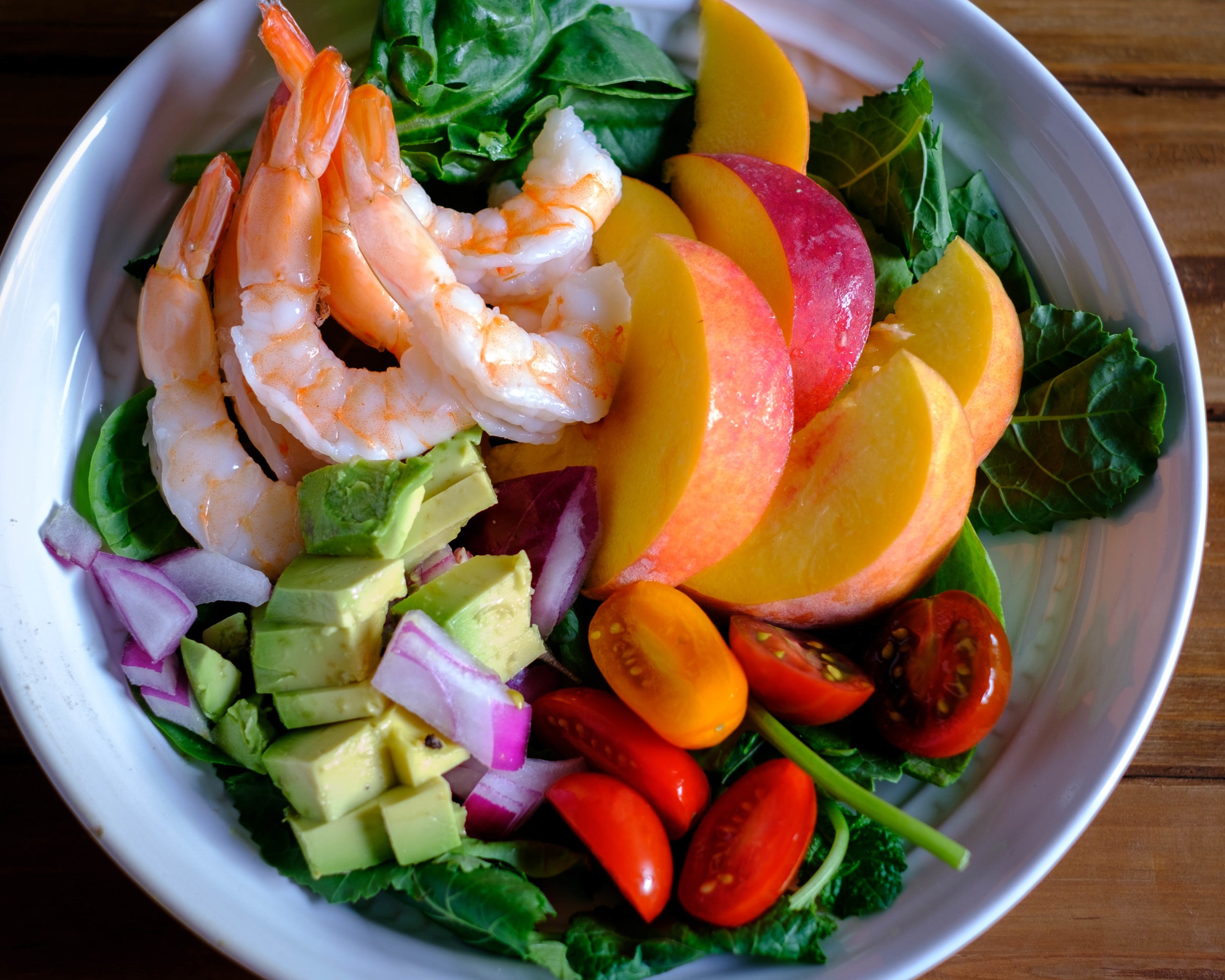
shrimp cocktail salad

Putting lunches together that you actually want to eat day in and day out can be tough and as it gets hotter it only gets tougher to make appetizing food. This is where fresh summer meal prep bowls come in. They easy to make, are endlessly customizable, and most importantly delicious. A meal prep bowl is simply a complete meal all in one bowl with everything mixed together, usually in a sauce, and can be made from combining almost anything together.

Why Make Meal Prep Bowls

shrimp cocktail salad

Not everyone loves a salad, much less a salad every day. Meal prep bowls provide similar or even better nutrition without the boring four or five ingredients that you find in every salad. The range and versatility of meal prep bowls make lunches far more appetizing and exciting to eat. 

Meal prep bowls are some of the easiest lunches to make, store, and take with you to work. Very few dishes to keep with you and little to no prep once you’re ready to eat. This makes them ideal for eating on the road or at the office with a small kitchen.

Other lunches can be made healthy but achieving the volume and variety of nutrients compared to a meal prep bowl is tough. You can get your grains, fats, greens, and protein easily. It’ll also leave you feeling full without the sluggish effect of other popular work lunches.

What Makes a Great Summer Meal Prep Bowl?

Picking the right ingredients is key. It’s everything when it comes to meal prep bowls. Start with the right combination and you’re all set. Keep it light and fresh with hydrating veggies and leafy greens, lean proteins, and whole grains.

Choose ingredients that can be thrown together with little to no prep. Pick ingredients that don’t require reheating to make it easier on yourself later. 

Fresh & Light Ingredients to Use

Base Options (Cold or Room Temp Friendly)

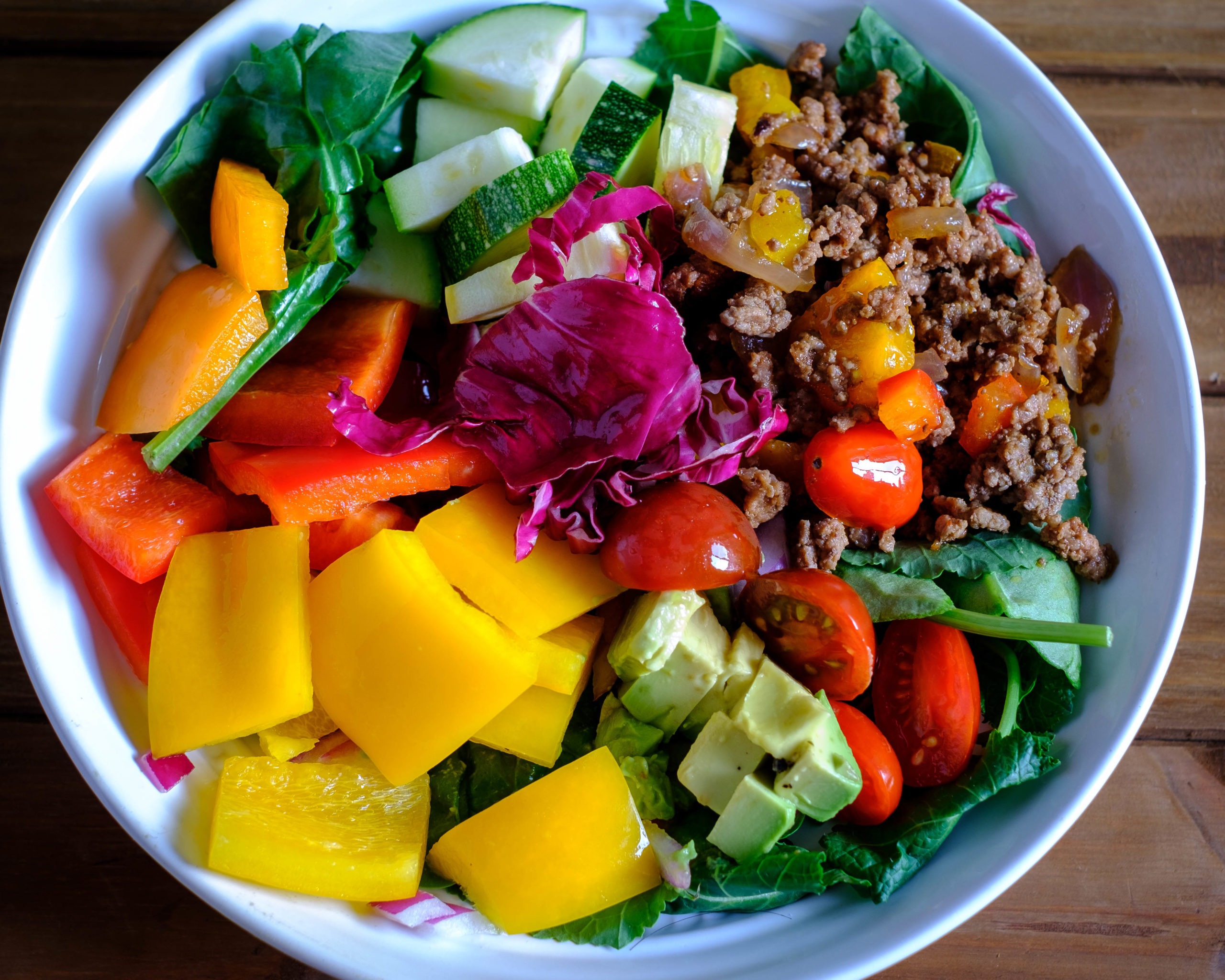
Beef Taco Salad

Bases will make up the majority of the calories in the meal usually and will act as fuel for the rest of the day. Choose healthy and light bases that work well with the sauce you want to use.

  • Quinoa – Nutty, protein-rich, and holds up well cold or warm.
  • Brown rice – Heartier but still light; great at absorbing dressings.
  • Couscous or bulgur wheat – Quick to cook and naturally light.
  • Zoodles (zucchini noodles) – Great for cold bowls, adds crunch and hydration.
  • Leafy greens (arugula, baby spinach, spring mix) – Choose tender greens that won’t wilt quickly.

Veggies (Raw, Roasted, or Pickled)

These are important for hydration and nutrients as well as added flavor.

  • Cucumber – Crisp and hydrating. A classic and a favorite.
  • Cherry tomatoes – Juicy and keep well whole.
  • Bell peppers – Colorful and crunchy. You can choose from a variety of colors and each one has a slightly different taste from sweeter to more bitter.
  • Shaved fennel or red cabbage – Adds crunch and holds texture over days.
  • Roasted sweet potatoes or zucchini – Best for microwaveable bowls. This is great for a change in texture and adding additional nutrients. They won’t last as long in the fridge though.

Protein Choices

Try mixing up the proteins. Chicken is a popular option as it’s affordable, delicious and nutritious but there are tons of other proteins that work really well in bowls. Step outside of your usual and try some tofu but if you’re not sure, don’t bet your entire week’s lunches on it, have a back up.

  • Grilled or shredded chicken breast – Stores well and works in any temperature. The safest choice for most.
  • Hard-boiled eggs – Ideal for cold or room-temp bowls. You can throw a half or a whole egg into any meal prep bowl and it’s a nice addition.
  • Chickpeas or black beans – Hearty, fiber-rich, and shelf-stable before cooking. Under rated and a great addition that works well with a lot of sauces.
  • Tofu (baked or sautéed) – Great hot or cold; marinated for extra flavor. This might not last as long in the fridge so be careful.
  • Tuna or salmon (canned or grilled) – Omega-3 rich and light. An extremely nutritious and delicious option but if you’re eating at work you may want to try another option that has less smell.

Toppings & Extras

If you’re watching your macros or calories closely you should watch it on the toppings. They’re delicious and nutritious but also add a lot of additional calories sometimes.

  • Avocado – Best added fresh day-of to avoid browning. You can also try guacamole which will store longer in the fridge with a bit of lime juice.
  • Hummus or tzatziki – For creaminess without heavy dressings. These are perfect for meal prep bowls or wraps.
  • Feta or goat cheese – Adds tang and a creamy texture. These are go-to ingredients but add a lot of flavor so make sure they work with the rest of your ingredients. They can overpower quickly.
  • Fresh herbs (parsley, basil, mint) – Elevate any bowl with fresh notes. Fresh herbs elevates simple bowls to another level. You’d be surprised what a little sprig can do.
  • Nuts/seeds (pumpkin seeds, almonds, sunflower seeds) – Add crunch and healthy fats. If you’re looking for texture, consider these toppings and they tend to be low calorie.

Storage Tips for Summer Meal Prep

  • Use compartmentalized containers to separate wet/dry ingredients.
  • Glass containers work well for microwave reheating.
  • Add dressings right before serving to prevent sogginess.
  • Fresh herbs, nuts, and avocado are best added the day of.

The Best Sauces for Meal Prep Bowls

1. Lemon-Tahini Dressing

Looking for a creamy sauce that doesn’t include dairy, consider lemon-tahini dressing. It packs a lot of flavor and delivers the satisfying bite that you’re looking for in those other sauces. The bright, nutty flavor packs healthy fats and tastes best with grain bowls, chickpeas, and chicken.

2. Herbed Greek Yogurt Sauce (a.k.a. Tzatziki-Inspired)

Tzatziki sauce is one of our favorites for summer meal prep. It’s cool and refreshing while being delicious. The tanginess works perfectly with so many ingredients as well. It’s also high in protein with less fat than other creamy sauces.

3. Cilantro-Lime Vinaigrette

This is one of the most addictive sauces. It is perfect for summer meal prep bowls. It’s light, refreshing and pairs well with tons of ingredients. It works with chicken, ground beef, chickpeas, black beans, rice, pretty much everything. It’s also low calorie. If you haven’t tried this zesty sauce, try it next.

4. Ginger-Sesame Dressing

This is a great option for mixing it up and bring some new flavors to your bowl. It pairs well with salmon and cabbage and packs a lot of flavor. The savory, slightly sweet brings with it healthy fats and is a good source of antioxidants.

Some of Summer Meal Prep Bowl Recipes

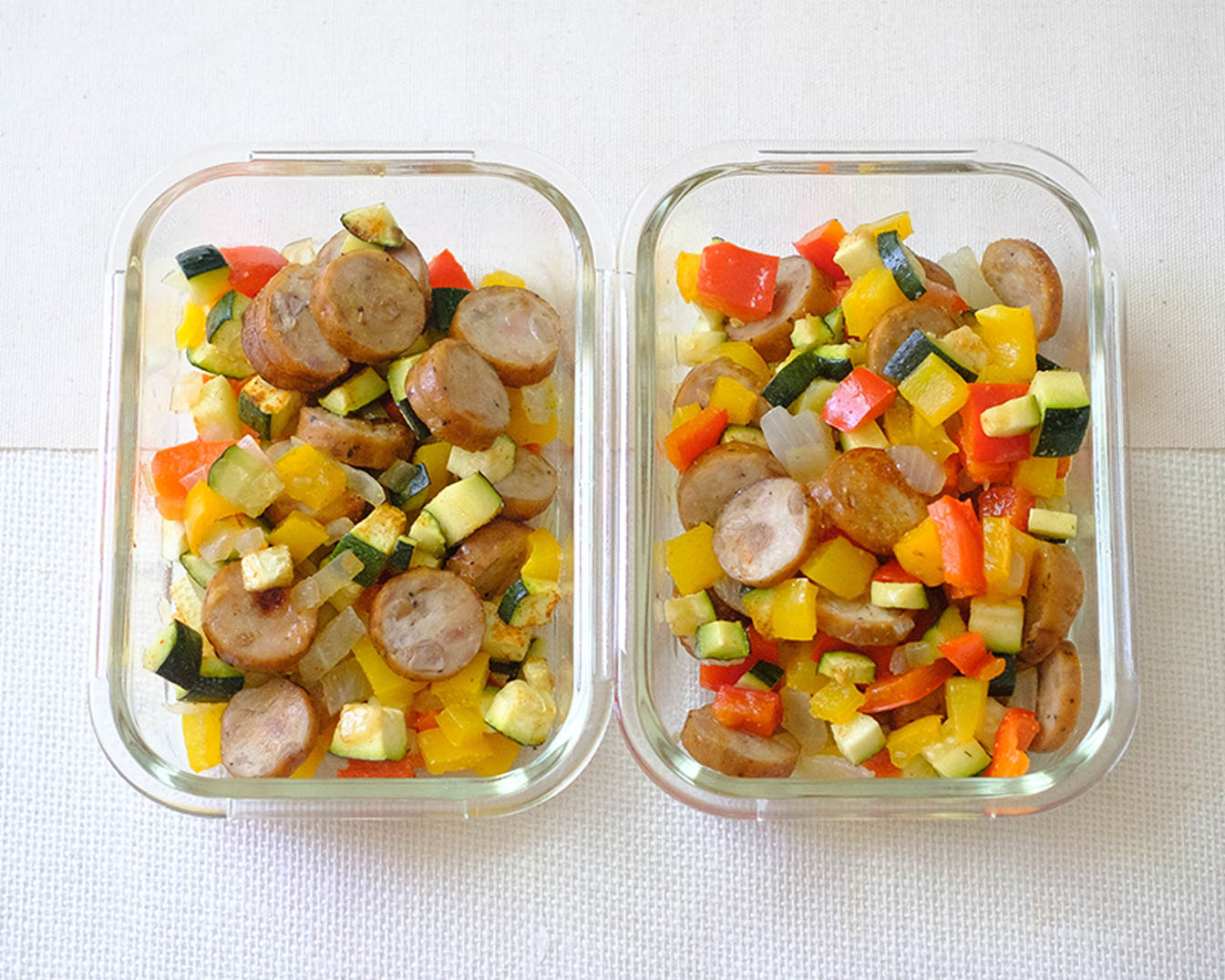
rectangular glass meal prep containers with sliced sausage and diced zucchini, bell peppers, and red onions

Low Carb Sheet Pan Sausage and Zucchini Medley

If you’re looking for a delicious, low-carb option that’s both convenient and budget-friendly, you’ve come to the right place. Packed with pre-cooked chicken sausage, vibrant veggies, and a medley of savory seasonings, this recipe is a game-changer for busy individuals striving to maintain a healthy lifestyle. With just a few simple steps and minimal prep…

Continue Reading

Posted on Leave a comment

Healthy Coffee: Low Calorie & High Protein Coffee

coffee being poured over ice

Iced coffee recipes are all over Tiktok and IG but how do you make delicious, healthy iced coffee that is low calorie & high protein? A lot of the new recipes are chocked full of sugar and artificial additives. Let’s break down popular coffee ingredients and recipes and explore healthy options. This can help whether you’re making the coffee at home or getting it from a shop.

Coffee is generally considered a healthy drink or at least low calorie. This can be the case if you’re drinking black coffee but these days people are looking for a bit more depth of flavor. 

Popular Iced Coffee Additives

coffee being poured over ice
  • Sugar: ~16 calories, 4g (all sugar) carbohydrates
  • Honey: ~21 calories, 5.8g (mostly fructose & glucose) carbohydrates
  • Syrup: ~50–90 (depending on sugar content), 13–22g (mostly sugar) carbohydrates
  • Stevia: 0 calories, 0–1g carbohydrates, 0 fats, 0 protein
  • Whole milk: ~150 cal/cup, 8g fat, 8g protein, calcium-rich.
  • Skim milk: ~90 cal/cup, low fat, 8g protein.
  • Almond/Oat Milk: 30–130 cal/cup depending on brand and sweetener.
  • Brewed coffee: Virtually no calories, high in antioxidants like chlorogenic acid, contains caffeine (~95 mg per cup).
  • Espresso: ~5 calories/shot, higher caffeine concentration (~63 mg/shot).
  • Whipped cream: ~50–80 cal per 2 tbsp, saturated fat-heavy.
  • Condensed milk: ~130 cal per 2 tbsp, high sugar (~20g), high in calcium
  • Protein powder: 110–150 calories, 20–27g protein, 1–5g of carbohydrates, 0.5–3g of fats
  • Chocolate syrup: Adds ~50–100 cal per tbsp. Contains sugar and cocoa—flavorful but adds simple carbs.
  • Cocoa powder: ~12 calories, 3g of carbohydrates, 0.7g of fats, and many nutrients

Types of Coffee

Not all coffee and iced coffees are the same and sometimes reframing them in your mind can help you make healthier adjustments. High calorie drinks are just fine to drink if you’re considering how they fit in your eating routine. Healthy iced coffee won’t necessarily fulfill that sweet tooth urge so use this chart and look at the nutritional facts when you order.

Summary Table

RecipeCalories (approx)ProteinSugarsBest For
Classic Iced Coffee30–150Low–MediumLow–MediumDaily sipping
Iced Latte100–150MediumLowMornings
Iced Mocha150–300MediumHighTreat or dessert
Vietnamese Iced Coffee150–200LowHighRich treat
Protein Shake200–350HighMediumBreakfast/Post-workout

Types of Healthy Iced Coffee

Cold Brew

Cold brew coffee is one of the easiest coffees to make at home and a great way to meal prep your morning pick me up. Brew it the day or two before and leave it in the fridge. Get great depth of flavor with the subtle notes much more noticeable. This can also concentrate the caffeine if you’re looking for a little more push.

Low-Calorie Iced Mocha

cup of healthy iced coffee

Iced mocha is one of the most popular drinks at coffee shops but all of the artificial syrups add up in calories quickly. Try this version for a healthy iced coffee sweet treat.

  • 8 oz black iced coffee
  • 1 tbsp cocoa powder
  • 1 tsp stevia
  • 1/4 cup almond milk
  • Shake or blend over ice

Protein Iced Coffee

Brew your coffee, mix it with whey, pea, or collagen protein and then pour it over ice. This order makes it much easier to fully mix the powder into the coffee. This works great as a post workout drink or as a meal replacement. As the protein powder will leave you feeling much more full. You might need a little extra sweetener to cover the taste of the protein if you’re not a fan.

  • 8 oz cold brew coffee
  • 1 scoop vanilla or chocolate protein powder
  • 1/2 cup unsweetened almond milk
  • Ice and blend

Iced Coffee with Functional Ingredients

Some newer brews include adaptogens, MCT oil, or fiber — offering extra benefits like focus support, gut health, or sustained energy.

  • 8 oz iced coffee
  • 1 scoop collagen peptides
  • Dash of cinnamon and stevia
  • Shake with ice for a frothy finish

Healthy Coffee Pods for Iced Coffee Lovers

Pod coffee is one of the most popular methods these days for home brews but that doesn’t mean they’re the same nutritionally as traditional brewed coffee. Pay attention to ingredients. The trick is choosing the right ones — ideally organic, low-acid, and mold-free.

Top Healthy Coffee Pod Brands:

  • Purity Coffee Pods – Organic, antioxidant-rich, lab-tested for purity
  • Lifeboost Coffee Pods – Low-acid, single-origin, non-GMO
  • Bulletproof Coffee Pods – Clean, performance-based blends (great with MCT and collagen)
  • High Brew Pods (for Keurig) – Ready for iced coffee; clean ingredients and balanced flavor

Pro Tip: Brew over ice using the “strong” or “iced” setting on your machine. Add a scoop of protein or splash of almond milk for a perfect low-calorie boost.

Posted on Leave a comment

Cool Asian Meal Prep for Hot Summer Days

Everyone finds different ways to beat the heat as summer rolls in and changing up your meal prep routine can be a great way to handle the heat. Use this guide of cool asian meal prep for hot summer days to add a bit of asian cuisine to your summer meal plan. These refreshing and light recipes use cold or room temperature foods to avoid stacking the heat up. This can help prevent mid day sweating, keeping you fresh for longer at work.

Don’t be discouraged by the names. A lot of these recipes are quite easy to make and don’t require special cooking tools. They may require ingredients that you don’t have unless you regularly cook Asian recipes though.

There are more great recipes that we did not cover in this article so come back if you’re interested in more recipes to beat the heat.

1. Vietnamese Spring Rolls

cool asian meal prep spring roll ingredients in a bowl

Spring rolls are delicious, easy to make, and a great mix of unique flavors. Typically served chilled with a peanut sauce so it’s one of the few savory meals meant to be served cold. Pro tip: Keep the components (rice paper, fillings, and sauce) prepped separately in the fridge. Assemble just before eating for maximum freshness and crunch.

Prep the Fillings: Cook the vermicelli noodles according to the package instructions, prepare all the veggies and herbs: wash, peel, and cut into thin strips or leaves.

Make the Dipping Sauce: In a small saucepan over low heat, whisk together hoisin, peanut butter, soy sauce, vinegar, and water until smooth and slightly thickened. Pour into a bowl and top with crushed peanuts and chili flakes if desired.

Soften the Rice Paper: Dip one rice paper wrapper in the water for about 5 seconds until it softens slightly (don’t over-soak—it will continue softening on the plate).

Assemble the Roll: Layer the veggies, add the shrimp, and roll up like a burrito.

2. Japanese Cold Soba Noodles

Cold buckwheat soba noodles in a chilled dipping sauce is a fantastic summer day lunch. The nutty and earthy flavor is mild and refreshing. Unlike wheat noodles, they are not heavy and dense, but instead are delicate and light.  

Make the Dipping Sauce (Tsuyu): Combine dashi, soy sauce, and mirin in a small saucepan. Bring to a gentle simmer, then remove from heat and chill in the fridge (let rest for a bit till room temp.

Cook the Soba Noodles: Boil water in a large pot. Add the soba noodles and cook according to the package instructions (usually 4–6 minutes).

Cool and Rinse: Drain the noodles in a colander and immediately rinse under cold running water. Let them drain completely. Optionally, chill further with ice.

3. Thai Larb Gai Lettuce Cups

Probably less common in the US, Thai Larb Gai is a classic Thai dish. Chilled and packed with flavor from minced chicken or tofu to the lime juice, fish sauce, and mint. All served in a fresh, crisp lettuce cup. Store the larb and lettuce separately in airtight containers. 

Make Toasted Rice Powder (Khao Khua): Heat a dry pan over medium heat. Add 1 tbsp uncooked white rice and toast, stirring constantly, until golden brown and fragrant (about 5–7 minutes). Cool slightly, then grind into a coarse powder using a mortar and pestle or spice grinder.

Cook the Chicken: Cook on medium to high heat, breaking up chunks for a good consistent size.

Season the Larb: While the chicken is still warm, stir in the toasted rice powder, fish sauce, lime juice, sugar, and chilies. Mix in the shallots, scallions, mint, and cilantro. Taste and season to preferred levels.

Assemble the Lettuce Cups

4. Japanese Onigiri (Rice Balls)

cool asian meal prep onigiri on a table

One of the most iconic Japanese foods, at least in America, is Onigiri. A handheld rice ball, filled with tuna mayo, grilled salmon, or pickled plum. Meant to be eaten at room temperature, these are quick snacks that pack flavor and are fun to eat. Pro tip: Wrap each onigiri individually in plastic wrap and store in the fridge. Let them come to room temp before eating.

Cook the Rice: Rinse the rice several times until the water runs mostly clear. Combine rice and water in a rice cooker or pot. Cook until soft and slightly sticky. Let the rice rest for 10–15 minutes after cooking to firm up.

Prepare Fillings: Make sure fillings are cool and dry—excess moisture can make the rice soggy. If using tuna mayo: mix 1 small can of tuna with 1–2 tablespoons of Japanese mayo.

Shape the Onigiri: Wet your hands with water and sprinkle with salt to prevent sticking and add flavor. Grab a small handful of rice and flatten into a small cup shape before adding your filling and adding a bit more rice to cover it up. Massage into your desired shape.

Add Nori: Wrap with a strip or sheet of nori.

5. Asian Chilled Tofu Salad

Tofu tends to be one of those ingredients that people either love or hate. If you find yourself looking for a high-protein meal that can help keep you cool, consider Asian chilled tofu salad. It packs a lot of flavor and has excellent protein. Also, it doesn’t require any cooking so it’s the easiest on the list to prepare and a great place to start your cool Asian meal prep journey.

Prep the Tofu: Gently remove the tofu from the package and drain any excess water. Cut the tofu into thick slices or cubes

Make the Dressing: In a small bowl, mix soy sauce, sesame oil, vinegar, and sugar (or honey) until dissolved. Taste and balance the salty, tangy, and sweet flavors.

Assemble the Salad: Arrange the tofu on a plate or shallow bowl. Spoon the dressing over the tofu evenly. Scatter scallions, sesame seeds, and any optional toppings on top.

6. Korean Cucumber Kimchi

kimchi in a bowl

Kimchi is one of our favorite Asian recipes. The tang goes perfectly with so many savory dishes. The chill helps cut the heat of the main course, and that little bit of spice brings out the subtle notes in the rest of your dish. Make a big batch and let it marinate in the fridge, the flavor only gets better with time.

Prep the Cucumbers: Wash cucumbers and slice. Toss with 1 tsp salt in a bowl and let sit for 15–20 minutes to draw out excess moisture. Gently squeeze the cucumbers to remove more liquid.

Mix the Seasoning: In a bowl, combine gochugaru, vinegar, fish sauce, sugar, garlic, scallion, sesame seeds, and sesame oil. Stir to make a paste-like marinade.

Combine: Add the cucumbers to the seasoning mix and toss well until evenly coated.Chill and Serve: Let sit for 10–15 minutes before serving for best flavor or let them sit overnight in the fridge for a light fermentation.

View More Recipes Here

Posted on Leave a comment

Asian BBQ Meal Prep

Asian BBQ meal prep is perfect for the summer. It may not cool you down but it’ll make you forget about the heat. The bold, deep flavors are unique from American bbq and just as delicious. In some ways it can be easier and quicker but Asian BBQ has its own lessons to learn. This BBQ can also include grilled vegetables for a more nutritious meal. Explore a new addition to your meal routine with our tips and recipes.

This is only scratching the surface of Asian BBQ meal prep insights and options. There is a long history and tons of recipes so let this be an introduction, a taste of what is Asian BBQ.

What Is Asian BBQ?

Asian BBQ meal prep is unique to a region and the exact approach, sauces, spices, and flavors vary wildly. Korean, Japanese, Chinese, Thai, and Vietnamese cuisines all have their own take on BBQ. While American BBQ is slow-smoked, often with dry rubs but marinades are very popular as well. Asian BBQ focuses on marinades, quick grilling, and soy sauce, garlic, sesame oil, and chili paste to deliver big flavors.

Balance Heat & Sweetness: Asian BBQ thrives on balance—don’t go too spicy or too sweet.

How Asian BBQ Differs from American BBQ

From cooking method to sauces and flavors, American BBQ and Asian BBQ are delicious in their own ways.

FeatureAsian BBQAmerican BBQ
Cooking MethodQuick grilling, stir-fryingSlow smoking, indirect heat
Flavor ProfileUmami, sweet, spicy, savorySmoky, tangy, sweet
SaucesSoy-based, fermented, spicyTomato or vinegar-based
MeatsThin cuts, often marinated rawRibs, brisket, pulled pork
Side DishesRice, pickles, herbsColeslaw, baked beans, cornbread

Asian BBQ Meal Prep

1. Choose Your Proteins

grilled chicken skewers with sauce on them asian bbq style

Pick grill-friendly proteins that marinate well:

  • Chicken thighs or breasts: chicken thighs can be a great option for grilling as the additional fat adds flavor and moisture. They’re also typically more affordable.
  • Pork belly or pork shoulder: pork shoulder can be a great affordable option. A little tougher but sliced thin can be easier to work with.
  • Beef short ribs (e.g., Korean galbi): beef short ribs are versatile and delicious.
  • Shrimp or firm tofu for lighter options: BBQ shrimp is always delicious but firm tofu is a fantastic Asian BBQ recipe unique compared to American options.

2. Marinate for Tenderness & Flavor

Marinating can help tenderize and flavor your protein. The longer you can marinate for the more tender and deep the flavor will penetrate. The tougher the protein the longer you should marinate, aim for between 4 hours and overnight. 

3. Add Sides

Pair your proteins with:

  • Jasmine or sticky rice: get a rice cooker to make your life much easier.
  • Stir-fried or grilled vegetables (bok choy, bell peppers, mushrooms): all of these veggies are a great choice but our personal favorite is bok choy.
  • Pickled veggies (kimchi, daikon, carrots): kimchi pairs well with BBQ, adding flavor that cuts through the umami.

4. Sauce & Store Separately

Store dipping sauces or glazes separately to avoid soggy meals. Add them fresh before eating.

Asian BBQ Marinade and Sauces

Chinese

asian bbq meal prep on a grill

Char Siu Marinade (Chinese BBQ Pork)

  • Flavor: Sweet, savory, slightly sticky
  • Best for: Pork shoulder, pork belly, or ribs

Soy-Garlic Marinade (Northern-style)

  • Flavor: Savory, garlicky, mildly sweet
  • Best for: Chicken thighs, pork chops, or tofu

Korean

Bulgogi Marinade

  • Flavor: Sweet, savory, garlicky, and slightly fruity
  • Best for: Ribeye, sirloin, or brisket (thinly sliced beef)

Dak Galbi Marinade

  • Flavor: Spicy, smoky, rich, slightly sweet
  • Best for: Boneless chicken thighs or breasts

Thai

Gai Yang Marinade

  • Flavor: Savory, aromatic, slightly sweet, with lemongrass and garlic
  • Best for: Chicken thighs, drumsticks, or whole spatchcocked chicken

Moo Ping Marinade

  • Flavor: Sweet, smoky, and slightly garlicky
  • Best for: Pork shoulder or collar, thinly sliced

Vietnamese

Thịt Nướng Marinade (Grilled Lemongrass Pork)

  • Flavor: Sweet, savory, aromatic (lemongrass-forward)
  • Best for: Pork shoulder, pork chops, or pork belly (sliced)

Bò Nướng Sả Marinade (Grilled Lemongrass Beef)

  • Flavor: Bold, savory, lightly sweet with lemongrass heat
  • Best for: Flank steak, sirloin, or beef skewers

Essential Asian BBQ Ingredients

  • Soy sauce
  • Sesame oil
  • Rice vinegar
  • Hoisin sauce
  • Gochujang (Korean chili paste)
  • Oyster sauce
  • Fish sauce

Aromatics & Spices

  • Garlic
  • Ginger
  • Scallions
  • Chili flakes or fresh chilies
  • Brown sugar or honey (for sweetness)
  • Lemongrass (Vietnamese/Thai BBQ)

Key Sauces for Asian BBQ

skewered asian bbq meal prep
  1. Gochujang Glaze
    • Gochujang, honey, rice vinegar, garlic
  2. Thai Sweet Chili Sauce
    • Sweet, tangy, mildly spicy
  3. Japanese Teriyaki Sauce
    • Soy sauce, mirin, sugar, sake
  4. Vietnamese Nuoc Cham
    • Fish sauce, lime juice, sugar, chili, garlic

Asian BBQ Meal Prep Recipes

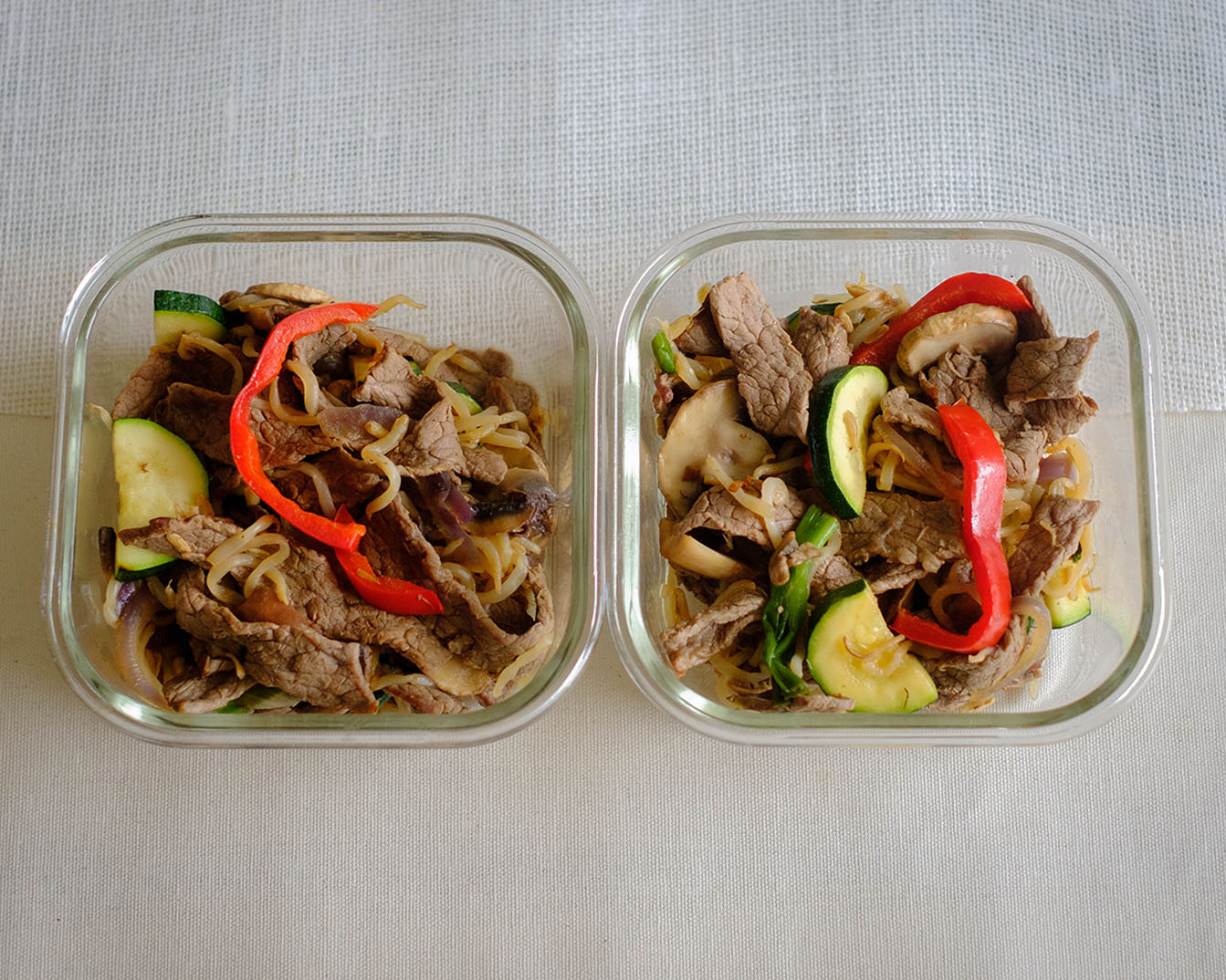
glass square containers with sliced beef stir fry with bell peppers, sliced zucchini, and sliced mushrooms, and bean sprouts

Beef and Bean Sprout Stir Fry

Whip up a delightful Beef and Bean Sprout Stir Fry – a budget-friendly, healthy, and quick meal prep alternative to takeout. Thinly sliced sirloin steak, vibrant veggies, and crunchy bean sprouts create a symphony of flavors in this easy-to-follow recipe. Perfect for busy individuals who need help with weekly meal prep, this dish offers convenience…

Continue Reading
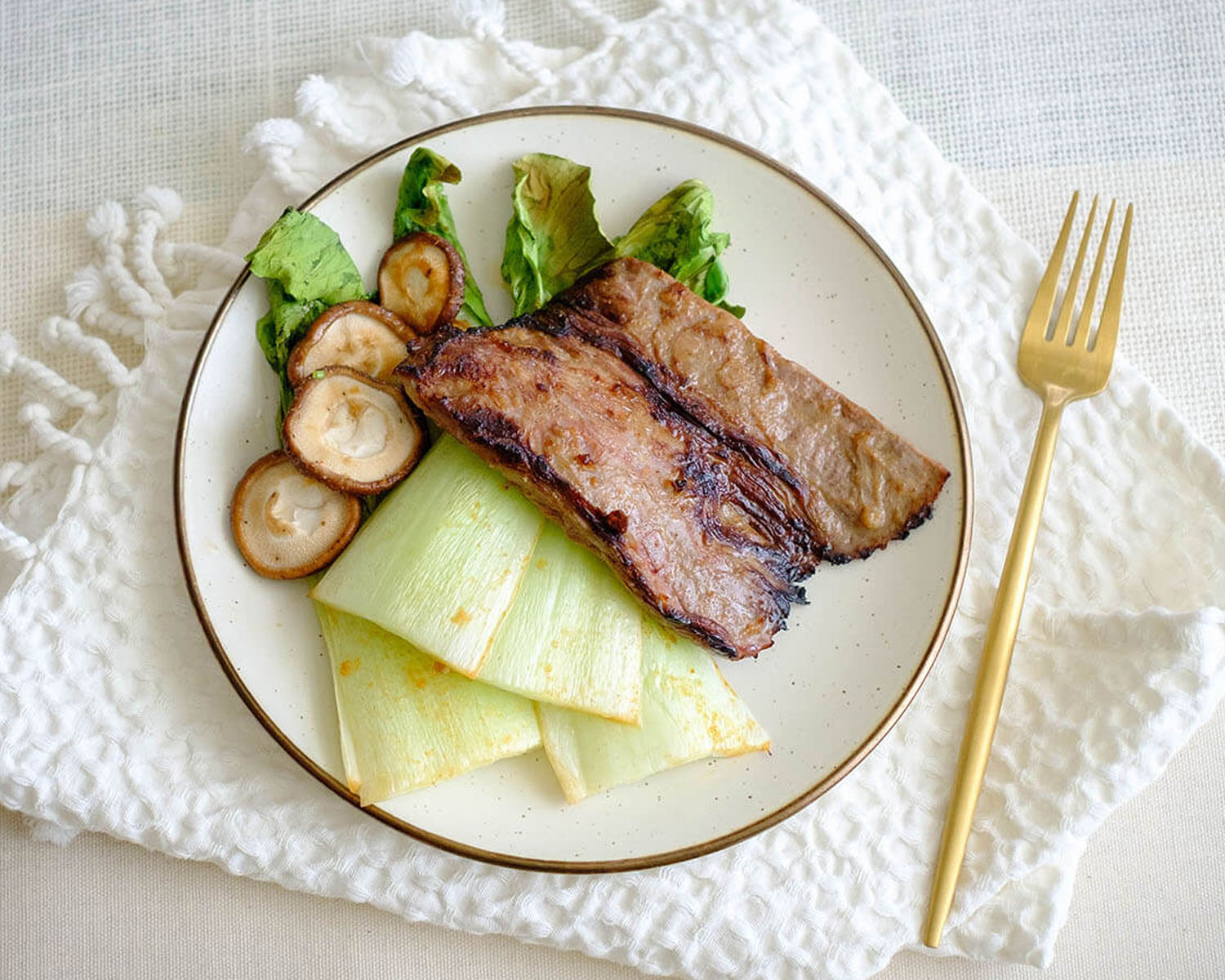
round plate with grilled skirt steak and roasted bok choy and shiitake mushrooms

Grilled Asian Skirt Steak with Roasted Bok Choy

Grilled Asian Skirt Steak with Roasted Bok Choy and Mushrooms is your gateway to delicious, health-conscious, budget-friendly meals that won’t leave you chained to the stove. Embrace the convenience, revel in the flavors, and let this recipe elevate your meal prep game like never before. You’ll definitely indulge in the gratification of crafting this scrumptiuous…

Continue Reading
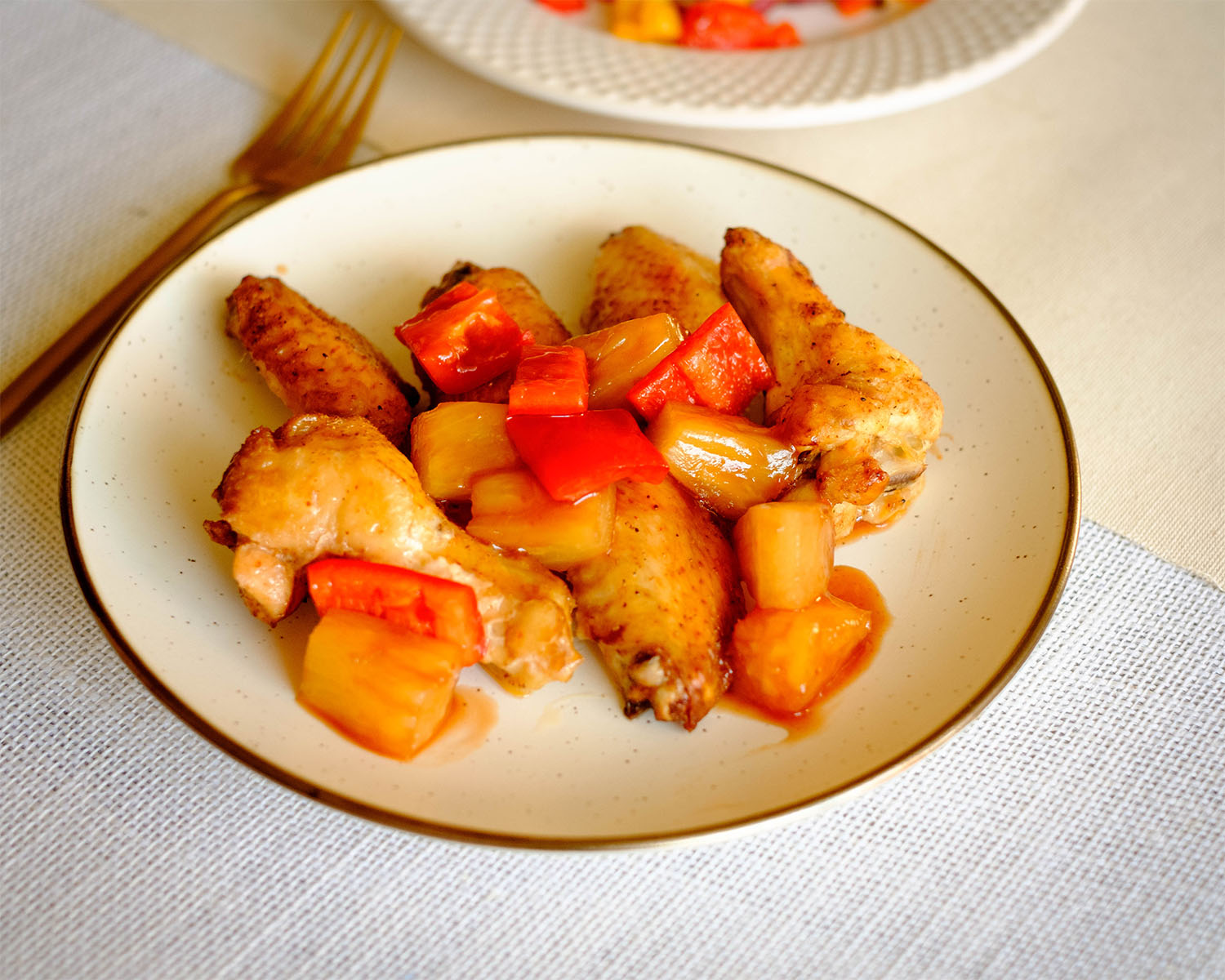
sweet and sour chicken wings

Air Fryer Sweet and Sour Chicken Wings

Who says meal prep can’t be just as tasty as takeout? Try these tasty Crispy Air Fryer Chicken Wings coated in a sweet and sour sauce! This post may contain affiliate links. Please see our privacy policy for details. Why We Love These Air Fryer Chicken Wings The best part of this recipe is that…

Continue Reading
Posted on Leave a comment

Sweet Snacks and Healthier Desserts

If you have a sweet tooth then you know how difficult it is to stay on a diet, lose weight, or improve overall health with the beckoning call of sugar ever present. Sweet snacks and healthier desserts can lower your sugar consumption and improve your health. 

Sugar, for most people, isn’t bad for you unless you over consume. Which these days can be really easy to do with all of the sugary soft drinks, cakes, cookies, and candy. Sugar can cause diabetes, inflammation to be worse, weight gain, and heart disease. 

Sweets Portion Control

Breaking sweets into snack size portions can make a huge difference in managing your indulgences. You don’t have to completely quit sugar. Just portion it out more thoughtfully. Sweet snacks tend to be high in calories so be prepared to do some math if you’re counting calories. 

Look at labels, use a food scale, whatever you need to portion out about 100-150 calories for a sweet snack. The hard part may also be limiting yourself to only one or two snacks a day. It might be easier to portion out day by day or week by week knowing you only have a limited amount for that time period.

Healthier Dessert Ideas

Sweet treats don’t have to be all about the sugar either. Healthier desserts can still provide some satiation for your sweet tooth while better fitting into your meal plan. Another way to look at it, is that lower calorie sweets means you can eat more of them. So what they don’t make up for in pure satisfaction, they can make up for in volume.

parfait with berries healthier dessert option with wooden spoon

Here are some healthier dessert and sweet snack options:

  • Fruit-forward treats: fresh fruit skewers, chocolate-dipped berries, or baked apples with cinnamon. Fruits are high in natural sugars, which is why they’re commonly paired with desserts in the first place but they can be a great alternative to artificial candies and heavy cakes. 
  • Frozen delights: homemade fruit popsicles, frozen yogurt bark with nuts and fruit, or frozen banana “ice cream.” Perfect the summer and a nice change of pace from just eating fresh fruit or a bowl of yogurt.
  • Protein-based sweets: Greek yogurt parfaits with berries and granola, peanut butter protein balls, or chia seed pudding. These are definitely great for protein focused diets but can get old quickly. Try mixing it up regularly with different fruits and nutes.
  • Better-for-you baked goods: oatmeal raisin cookies made with mashed banana, whole-wheat muffins, or almond flour brownies. No-sugar baking is a thing and you learn more about it in our recent article here.

Smart Swaps for Sweet Snacks and Healthier Desserts

dark chocolate healthier dessert with berries on top

Swap to a healthier, slightly less sweet, option for some of your favorite foods and dramatically cut down the sugar.

  • Swap butter with mashed banana, avocado, or unsweetened applesauce in baked goods. We use avocado oil often as a substitute and although it doesn’t impart that same buttery flavor, it does the job for cooking.
  • Use dark chocolate (70% cacao or higher) for more antioxidants. Although a little more bitter, you still get the chocolate flavor without all of the added sugar.
  • Replace refined sugar with honey, maple syrup, or dates. Natural sweeteners can make a huge difference in how you approach sweetness. Look for all natural versions without added sugar.
Posted on Leave a comment

Summer 2025 Meal Prep

Spring is in full bloom and summertime is coming up. It’s time to grill, picnic, and enjoy a new set of recipes perfect for the sun and heat. With a change in seasons it is a perfect time to revisit your eating habits with summer 2025 meal prep. Explore new recipes, new ingredients, new trends, while saving money and eating more nutritiously.

Meal Prep Trends (Summer 2025)

bowl of Mediterranean food
  • Plant-focused meals: It’s been a trend for decades but summer is one of the best seasons to incorporate more plant foods. There are great fresh veggies and delicious fruits that can help you cool down in the heat. Cucumbers, watermelon, celery, or zucchini contain a lot of moisture which is important during summer.
  • Mediterranean cuisine: Mediterranean foods are known for their fresh flavors, healthy fats, and herbs. It’s a fantastic cuisine with a wide range of foods that are perfect for many types of diets. From vegetarian and low fat to high fat and protein diets, this cuisine fits in perfectly for the spring and summer. 
  • No-cook meals: Everyone’s busy and despite the longer days it’s still hard to find time to cook everyday. No-cook meals may still require some prep time but they’re still usually faster, plus you won’t contribute to the heat in your house with a blazing oven. Many people prefer to eat cold and room temperature foods to beat the heat so incorporate more raw veggies and fruits into your meal routine and enjoy the season.
  • AI tools: Everyone’s using chatGPT for everything these days. It’s not always the best method for finding recipes. You’re more often better off using a recipe from a source you trust and matches your flavor preferences, like Prep Yo Self. However, AI can be a fun way to put a twist on popular recipes or discover substitutions. Just take it with a grain of salt and think through what it spits out as it isn’t always good.

How to Save Money on Summer 2025 Meal Prep

Healthy eating can actually save you money if you know how. Here’s how to keep costs down:

Shop seasonal produce: Buy fruits and vegetables that are in season (like tomatoes, cucumbers, zucchini, berries, peaches). They’re usually priced better and are fresher.

Buy in bulk (wisely): Stock up on pantry staples like oats, quinoa, brown rice, lentils, and nuts when they’re on sale. You can build out and maintain a well stocked pantry for a low price. These are great additions to make a meal go further.

Limit expensive proteins: Incorporate affordable plant-based proteins or use smaller portions of pricier items like salmon or steak, supplemented with beans or grains. A big steak or a filet of fish is more exciting, however you can find recipes that pair these expensive proteins with affordable sides or you can find cheaper cuts. Pick chicken thighs over breasts (they taste better anyways), or go with a whole chicken and break it down yourself, beef chuck, or pork shoulder. A lot of more affordable cuts of meat are tougher so be prepared to cook longer on lower. 

Change grocery stores: Many savvy shoppers are branching out and shopping at multiple grocery stores to find the best deals. Some stores get overstocked on some items and offer a better price or simply carry products your usual store may not. It’s time to take advantage of that and save money.

Essential Ingredients for Healthy Summer 2025 Meal Prep

Add these ingredients to your grocery list and start cooking with some summer flavor.

leafy greens for your summer 2025 meal prep
  • Leafy greens: Spinach, kale, arugula, romaine — perfect for salads, wraps, or adding to grain bowls.
  • Seasonal veggies: Bell peppers, cucumbers, cherry tomatoes, zucchini, and corn.
  • Fresh fruits: Berries, melons, peaches, and nectarines for snacks, breakfast bowls, or salads.
  • Lean proteins: Grilled chicken, tofu, chickpeas, hard-boiled eggs, or canned tuna.
  • Whole grains: Quinoa, brown rice, farro, and whole-grain pasta — cook ahead and chill for salads or bowls.
  • Healthy fats: Avocado, nuts, seeds, and olive oil add flavor and satiety.
  • Herbs and flavor boosters: Fresh basil, cilantro, mint, lemon, lime, garlic, and spices help keep meals interesting.

Start Meal Prepping

It’s never too late to start meal prepping and with these summer 2025 meal prep ideas you can start off right. Enjoy beautifully delicious meals bursting with flavor that are deceptively easy to cook.

Check Out Our Recipes

Posted on Leave a comment

How To No-Sugar Bake

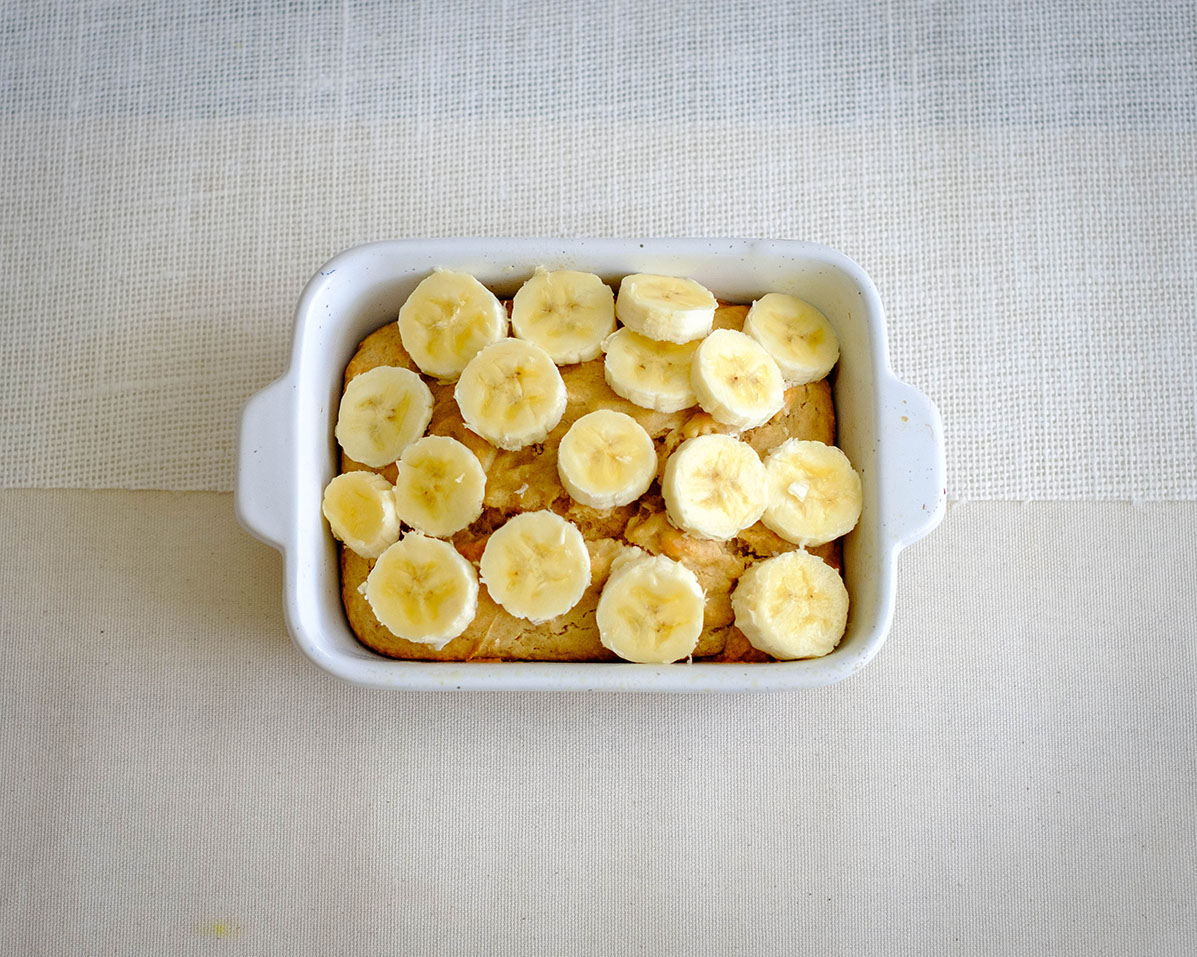
rectangle baking dish with peanut butter muffin with banana slice topping

Cutting out sugar can be one of the toughest things anyone does, especially when it comes to baked goods. Learning how to no-sugar bake can help bridge the gap that is left from a lack of sweetness. 

Health Benefits of No Sugar Baking

rectangle baking dish with peanut butter muffin with banana slice topping

The most common reason people opt for no-sugar baking is for the health and weight loss benefits. Baked goods tend to be high in calories, fats, and sugars and all of that is typically off the menu on a diet. There are also other health reasons to modify your baking approach though. Chronic diseases like diabetes, heart disease, and just your own body’s ability to process the sugar can leave you feeling bad after consuming too much at once. Cutting candy out can be easy enough for many but baked goods being off of the menu, sometimes for life, can be a tough one to resist. 

Enjoy no-sugar baked goods which can help you avoid all of the issues usually associated with too much sugar. You can reduce inflammation, improve energy levels, and help with protecting your teeth.

How to No-Sugar Bake

1. Use Naturally Sweet Ingredients

This is the easiest way to get started. Many classic baking recipes rely more on fruits to bring the sweetness as sugar wasn’t always as affordable or accessible. Use bananas, apples, figs, and raisins to bring the sweetness and moisture. You can also benefit from the added fiber, vitamins, and fresh flavor. Carrot cake is also a classic choice for this.

2. Rely on Spices and Extracts

rectangular baking dish with apple oatmeal muffin bar

Spice and extracts are typical in baking and as you remove sugar from the recipe you may find these flavors more pronounced. Cinnamon, nutmeg, vanilla and almond extract all add flavor masking the lack of sugar.

3. Choose Sugar-Free Recipes

Recipe selection is important. Baking is more chemistry than anything in the kitchen and balancing ingredients is tough to do on the fly. You may find yourself scrapping entire baked goods. You can’t taste as you go and you won’t know how it turns out until it’s all said and done. Start with a recipe designed for no-sugar baking and you’ll find more success early on.

4. Sweeten Mindfully (If Needed)

These days there are a lot of non-sugar sweeteners like stevia which can be used in place of sugar. The taste is different though so test and go easy as the artificial taste tends to be off putting for most.

5. Focus on Texture

Baking isn’t all about flavor. Texture is important in all cooking but especially in baking. The crisp crust of bread or gooey bite of a brownie adds to the experience. In lieu of sweetness, aim for nailing the texture.

Potential Issues in No-Sugar Baking

Knowing the potential issues of no-sugar baking can help you avoid or diagnose issues with recipes. These are some of the common issues with taking out one of the most important ingredients in baking.

1. Lack of Sweetness

Use fruit or natural sweeteners to replace sugar. Try different ingredients and recipes to find the right balance for you.

2. Dry or Crumbly Texture

Texture is important and as we mentioned, baking is chemistry. One change in a recipe can throw off the cook times, the texture, the flavor, and it’s not always obvious what happened. Sugar helps retain moisture so without it you may find your cookies quite dry and hard. 

Use fruit, yogurt, or purees to add moisture and/or lower bake times.

3. Lack of Browning

The caramelization of sugar brings a new depth of flavor to baked goods and it can be tough to get that golden crust you’re looking for without sugar. Use date paste for a natural sugar that still caramelizes. You can also try a milk or egg wash to add color as a replacement.

4. Gummy or Dense Texture

Sugar contributes to the leavening and structure of some baked goods. Removing sugar from a recipe can result in a gummy or heavy final result. It’s not necessarily the end of the world but dense baked goods are not the most popular.

Consider baking powder/soda and whisking eggs well can help soften the structure. Also sifting dry ingredients is tedious but can help with a lighter crumb.

5. Less Shelf Life

Sugar helps preserve baked goods by retaining moisture and reducing microbial growth. No-sugar baking simply spoils faster.

Eat them faster, or you can store them in airtight containers or store them in the fridge or freezer sooner than you normally would.

Bake Without Sugar

Rediscover old recipes and natural flavors with no-sugar baking. It sounds depressing when you first start considering it. You’re removing sweetness, one of the best parts of baked goods. It doesn’t have to be that way though. Baking without sugar can actually really open you up to amazing classic recipes, fresh fruit flavors, and baked goods you would never have tried. Step out of your comfort zone a little and try a few safe no-sugar bake recipes.

rectangle baking dish with peanut butter muffin with banana slice topping

Peanut Butter and Banana Muffin Bars

Wake up to the delightful aroma of freshly baked Peanut Butter Banana Muffin Bars, a nutritious and convenient breakfast option that will kickstart your day with a burst of flavor. This recipe combines the timeless duo of peanut butter and bananas into moist and tender muffin bars, sweetened with a touch of honey for the…

Continue Reading
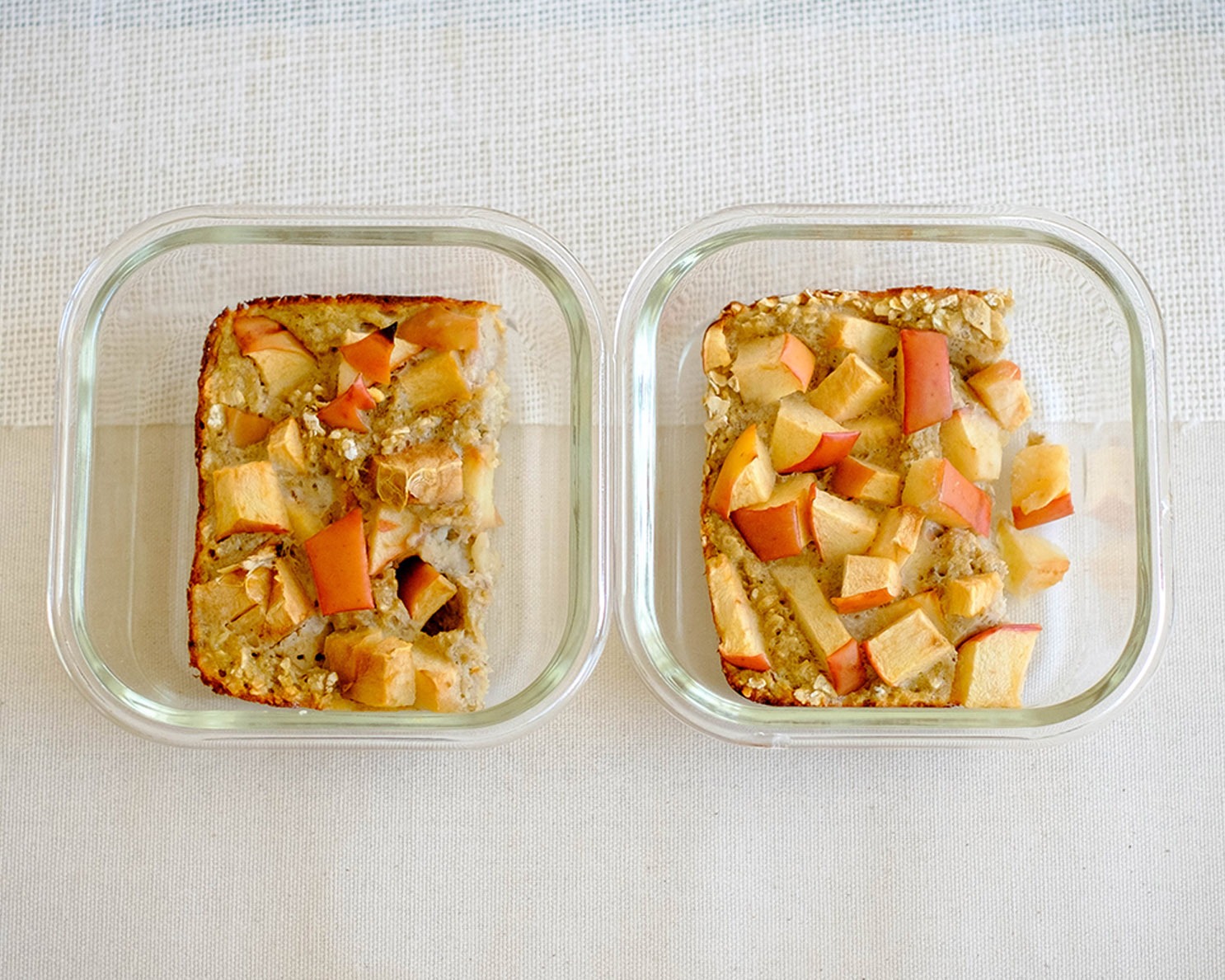
glass meal prep containers with apple oatmeal muffin bar

Apple Oatmeal Muffin Bars

Our delectable Banana Apple Baked Oatmeal breakfast muffin bars are bursting with flavor and nutrition. This budget-friendly recipe combines the sweetness of ripe bananas with the refreshing crunch of diced apples, all nestled in a hearty bed of rolled oats. Perfectly balanced with protein from eggs and a touch of olive oil for moisture, each…

Continue Reading

Posted on Leave a comment

Cooking Essentials for Summer

meat thermometer essential cooking for summer

The weather is warming up and it’s time to go shopping for those summer cooking essentials. Prepare for salads, fresh juice, and grilling! These are some of our favorite summer cooking supplies to help you expand your meal routine. There are plenty of starter kits that you can get but sometimes you just want to pick up one or two things for the kitchen. A spring refresh rather than a full-blown shopping trip. 

meat thermometer essential cooking for summer

Meat Thermometer

Thermometers have been hit and miss with us. Sometimes it comes down to luck but this product tends to do well for us. This makes grilling so much easier. Plenty of grill masters know their grill so well they can eyeball it or know based on time, others know it by sight or touch. It may not be a cooking essential for summer but it can really make a difference for the quality of grilled meats.

Buy Meat Thermometer
grilling spatula

Grilling Spatula

A good grilling spatula doesn’t have to be expensive but can make a dig difference when you’re at the grill and have limited utensils. A sharp edge, a serrated edge, and a long handle are all things we’ve found to be extremely helpful when at the grill.

Buy Grilling Spatula
juicer cooking essential for summer

Juicer

Not necessarily a cooking essential for summer but if you’re into juicing or looking to improve your nutrition then a juicer can be a great purchase. It doesn’t need to be the most expensive model. A simple juicer that can handle the job is good enough. This is a fantastic way to dramatically increase the nutrients in your meal routine. Some fruits with veggies is a great way to cool down with a tasty drink that is not artificial.

Buy Juicer
cooking essential for summer blender

Blender

Similar to the juicer but we would say it is more important as it is more versatile. You can do a lot with a blender you can’t do with a juicer. It won’t produce the same smooth drink of a juicer but you can do smoothies instead and achieve a similar effect. You can also a blender for a lot of summer alcoholic drinks or for making sauces. You can definitely buy top of the line blenders but in our experience unless you really plan on making a ton of smoothies, an affordable one is good enough. There is value in a normal sized blender as you can make high volume for yourself or for guests but a lot of times people just want to make enough for themselves for one drink and a small blender may be more of what you want as you’re more likely to get it out rather than a big blender.

Buy Big Blender
Buy Small Blender
food processor

Food Processor

Food processors are one of those kitchen tools that either you use rarely or all of the time. If you’re making a lot of dips, sauces, marinades, dressings, or if you want to make chopped veggies faster, then consider a food processor. It will speed up the prep time so much and usually isn’t too bad to clean up. In the end, making your own sauces and dips can be an amazing change to your snack and meal routine. Fresh salsa tastes so much better and is quite impressive for guests.

Buy Food Processor
peeler

Peeler

This is definitely a cooking essential for summer. We don’t need to explain the peeler but instead why we chose this one. This is the type of peeler that we grew up with and has worked for decades, the same one. It’s not difficult, it’s all metal, and easy to clean. If you’re doing tons and tons of peeling maybe go for a more comfortable grip version but for the day to day basic peeling, go with a trusted peeler.

Buy Peeler
salad spinner

Salad Spinner

Salad spinners can be a cooking essential for summer if you eat a lot of salads and want to save money on veggies. You can easily wash veggies by hand and dry them by hand but it does get old doing it every day and wet veggies will rot faster. Not to mention the extra water that you miss does not make for a pleasant salad experience.

Buy Salad Spinner

Posted on Leave a comment

Incorporating Plant-Based Proteins in Meal Prep

tofu stir fry
tofu stir fry

Now is a perfect time to start incorporating plant-based proteins in meal prep. There are a few reasons to adjust your eating habits and eating a little less meat and upping your protein can be a very healthy change. It also tends to be more affordable, especially when you buy in bulk. Consider a vegetarian meal or even just swap out the meat in your favorite recipes for some of these high-protein, plant alternatives.

Plant-Based Protein in Meal Prep

There’s a wide variety of plant-based proteins available, offering flexibility in flavor, texture, and nutritional profile. Not only that but you can also find them in various forms from fresh, dried, or pre-flavored, whole or mashed. There is a lot to test but we recommend starting here:

edamame in a bowl as a plant-based protein meal prep
  1. Legumes – Lentils, chickpeas, black beans, and kidney beans are high in protein, fiber, and essential minerals.
  2. Tofu & Tempeh – Made from soybeans, tofu is soft and versatile, while tempeh has a nutty flavor and firmer texture with higher protein content.
  3. Seitan – Also known as wheat meat, seitan is high in protein and has a chewy texture that mimics meat well.
  4. Quinoa & Whole Grains – Quinoa, farro, and barley provide moderate protein and are great as bases for bowls and salads.
  5. Edamame – Young soybeans are a protein-rich snack or side dish with minimal prep.
  6. Nuts & Seeds – Almonds, peanuts, chia seeds, hemp seeds, and sunflower seeds are good protein sources with healthy fats.

How to Prepare Plant-Based Proteins

Meal prepping with plant-based proteins can be quick and efficient with the right strategy:

  • Batch Cook Legumes: Cook large quantities of lentils or beans in a pressure cooker or slow cooker. Store in portioned containers for easy use in salads, wraps, or soups.
  • Marinate and Bake Tofu/Tempeh: Press tofu to remove moisture, then marinate and bake or air-fry until crispy. Tempeh can be steamed first to reduce bitterness, then seasoned and cooked. Remember tofu/tempeh absorbs the flavor of what it’s marinated in or cooked in so season appropriately and consider experimenting.
  • Cook Grains in Bulk: Prepare quinoa, rice, or farro at the start of the week and refrigerate for easy mixing into bowls, stir-fries, or breakfast dishes. We use a little rice cooker now and it’s very nice to set it and forget it until it’s ready.
  • Prep Snack Packs: Portion out nuts, roasted chickpeas, or edamame into snack-sized containers for grab-and-go protein boosts.

Cost-Effectiveness of Plant-Based Protein

Plant-based proteins can be significantly more affordable than animal proteins, especially when purchased in bulk:

  • Dry lentils and beans are incredibly cheap per serving and expand when cooked. Dried beans can take a while to rehydrate and cook through but it’s one of the most affordable foods that takes up very little space and packs a lot of calories. A bag of beans can last you a long time.
  • Tofu and tempeh, while slightly more processed, remain less expensive per gram of protein than chicken or beef. Tofu also has a similar shelf life to protein so treat it similarly.
  • Grains and seeds have long shelf lives and are budget-friendly when purchased in large quantities. These are just great to have on hand. 

Comparative Nutrition: Plant vs. Animal Protein

Let’s break it down:

NutrientPlant-Based ProteinAnimal-Based Protein
Protein QualityMost plant proteins are incomplete (except soy, quinoa)Complete proteins (all 9 amino acids)
FiberHigh (aids digestion, satiety)Zero fiber
Fat ContentLow in saturated fats, rich in healthy fatsHigher in saturated fats
MicronutrientsRich in antioxidants, phytonutrients, folateHigh in B12, iron (more bioavailable)
CholesterolNoneOften high
Environmental ImpactLower carbon footprint, more sustainableHigher emissions, land and water use

You may need to mix and match your plant-based protein meal prep for the full nutritional value. Rice and beans together are a great combination in terms of flavor and complementary nutrients. A diet with a variety of plants is ideal for balancing your body and keeping your gut healthy.

Try this recipe to get started

Tofu Stir Fry

Tofu and Veggie Stir Fry

Flavorful, crispy tofu tossed with fresh and colorful vegetables are perfect for a quick and healthy vegetarian dinner.

Get Recipe